No time to read? Get a quick AI summary
Reliable document protection is the core of business transactions. To address this need, teams use virtual data room solutions. However, the platforms handle compliance differently. Therefore, you need to know how to choose the best fit.
This guide outlines what virtual data room compliance means and why it matters. You’ll also learn the key VDR global compliance standards and features that protect documents and make complex deals run smoothly.
What is virtual data room compliance?
This is a provider’s ability to follow the legal, regulatory, and security measures needed to manage sensitive information safely. It ensures that data storage, sharing, and access comply with laws, industry rules, and security standards. This way, organizations stay accountable and prepared for audits.
Why online data rooms lead in compliance and security
To see how virtual data rooms stack up against other storage options, here’s a quick look at the main differences in security, access, and compliance.
| Concept | Physical data room | Cloud storage | Virtual data room |
| Security | High on-site, but limited once documents leave | Moderate, some encryption | Strong encryption standards, access controls, and watermarks |
| Document access control | Controlled entry, manual tracking | Role-based but limited | Granular, role-based, principle of least privilege |
| Audit | Manual logs, often incomplete | Basic logs | Full audit trails |
| Regulatory compliance | Can meet standards with strict procedures | Some general standards | Strong compliance with GDPR, HIPAA, SOC 2, FINRA, etc. |
| External collaboration | Difficult, requires physical presence | Shared links not protected | Secure, controlled, and compliant |
| Data retention | Manual, physical storage limits | Limited automation | Automated retention and deletion policies |
This table shows why data rooms remain the preferred choice for organizations that need to protect confidential data and meet regulatory requirements.
Why compliance matters
Data protection laws require organizations to handle sensitive information responsibly. Therefore, failing to comply can lead to the following consequences:
1. Regulatory exposure
Failing to comply can lead to costly fines and harm your organization’s reputation. For example, Amazon was fined €746 million for improper data processing. Another example is Meta, which was fined €1.2 billion for unlawful data transfers. These cases demonstrate that even large global companies are vulnerable.
2. Breaches
Weak data protection controls increase the risk of unauthorized user access. Despite a 9% decrease in the global average cost of a data breach reported by IBM, security remains a critical concern. Incidents still disrupt operations and create long-term legal and financial liabilities.
3. Loss of investor trust
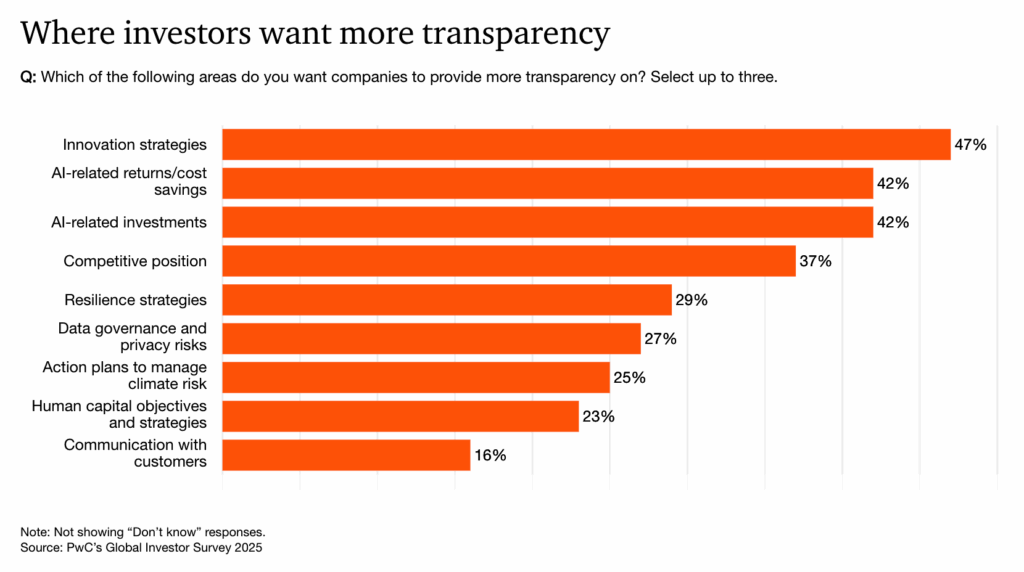
Investors expect secure environments for reviewing sensitive data. Any sign of weak document protection reduces confidence and can delay or derail deal execution. In fact, a survey found that 27% of investors rank transparency on data governance and privacy risks among the top areas where they want more visibility. These stats highlight how critical strong data practices are for maintaining trust.
Real-life example
The UK’s Information Commissioner’s Office fined Marriott International 18.4 million pounds for breaches. The fine related to a cyber incident, which exposed up to 339 million guest records.
The breach began in 2014 when Starwood’s systems were compromised, before Marriott acquired the company in 2016. It went undetected until 2018. The ICO found that the acquirer had not conducted sufficient due diligence during the acquisition and could have done more to secure the inherited systems.
As Information Commissioner Elizabeth Denham emphasized:
“The GDPR makes it clear that organisations must be accountable for the personal data they hold. This can include carrying out proper due diligence when making a corporate acquisition, and putting in place proper accountability measures to assess not only what personal data has been acquired, but also how it is protected.”
Regulatory compliance is a baseline requirement for organizations using a virtual data room as a confidential document storage in high-stakes environments.
Learn more → How to choose the most secure data room for lawyers?
Key virtual data room compliance standards
VDR providers vary in the specific compliance frameworks they pursue. The table below summarizes common standards, what they cover, and the regions where each is applicable.
| Standard | What it covers | Geographic scope |
| SOC 2 | Verifies that the provider implements controls for security, availability, processing integrity, confidentiality, and privacy of customer data. | United States, North America, companies serving US clients |
| ISO/IEC 27001 | Defines how organizations manage information security through policies, processes, and controls. | Global |
| GDPR | Ensures companies protect and manage the personal data of individuals in Europe. | European Union, European Economic Area, any organization globally that processes EU/EEA personal data |
| HIPAA | Requires organizations to secure and control sensitive healthcare information. | United States (applies to U.S. healthcare providers, insurers, and related entities) |
| FINRA / SEC | Helps financial services firms meet recordkeeping, audit, and data access requirements for regulated transactions. | United States financial markets and regulated financial institutions |
| PCI DSS | Requires businesses to protect and manage payment card data during storage and processing. | Global |
| ISO 22301 | Establishes how organizations maintain operations and recover systems during disruptions. | Global |
GDPR The Key Facts → Watch this video to understand GDPR and know how to evaluate a virtual data room GDPR compliance.
Virtual data room security features that support compliance
VDR software uses core and supplementary measures to help organizations meet compliance requirements and protect sensitive information.
Core compliance features
The following tools form the foundation of compliance in a secure data room:
- AES-256 encryption. Protects documents from unauthorized access in storage and transfer.
- Role-based granular access controls. Allow assigning user permissions based on roles, limiting access to authorized personnel only.
- Multi-factor authentication. Adds an extra layer of user verification to prevent unauthorized logins.
- Comprehensive audit logs. Record all user actions to ensure accountability and support regulatory audits.
- Watermarking. Embeds user-specific identifiers on critical documents to discourage unauthorized sharing and help trace data leaks.
- Data residency. Enables secure storage within specific jurisdictions to meet local regulatory requirements.
- Automated retention and deletion policies. Ensure that data is kept or removed according to compliance schedules.
Ensure the virtual data room provider you choose offers these advanced security measures. Verifying these controls helps your organization maintain data governance compliance, protect sensitive information, and facilitate secure document sharing.
Learn more → Explore granular permissions meaning in depth to see how precise access controls enhance security.
Supplementary features that support compliance
The following functionality enhances enterprise data security and complements the core controls:
- Single sign-on. Connects the data room to an organization’s identity management system for secure authentication.
- Granular permissions. Enable fine-tuned access control at the document level.
- Version control. Tracks document changes to ensure data integrity and auditability.
- Real-time notifications. Flag suspicious activity, failed logins, and policy violations.
- Offline access controls. Restrict the ability to download and print sensitive documents offline.
- IP and geo-restrictions. Limit access to approved networks and geographic locations.
- Threat detection. Identifies unusual user behavior and potential security incidents.
- Encryption key management options. Give organizations control over data encryption keys for additional protection.
Strong VDR security standards guarantee controlled access to sensitive information. Thus, organizations can reduce regulatory risk, protect confidential information, and support efficient due diligence processes.
Learn more → Check how document indexing in virtual data rooms can enhance control during M&A processes.
Five steps to ensure VDR regulatory compliance
Follow the practices below to ensure secure handling of sensitive information throughout the deal lifecycle.
1. Identify applicable regulations
Determine which data protection laws and industry requirements apply to your transaction. Consider jurisdiction, data types, and cross-border data transfers.
Tips:
- Map where your data originates and where users will access it
- Identify key regulations tied to specific data types (e.g., personal, financial)
- Review cross-border data transfer restrictions early
2. Choose a compliant VDR provider
Select a secure virtual data room vendor with recognized compliance certifications. It ensures the platform meets established security and governance standards.
Tips:
- Verify key compliance standards, certifications, and request audit reports
- Check data residency options and hosting locations
- Confirm support for compliance-specific features (outlined in the Core features section above ↑)
3. Configure access and security controls
Set up role-based permissions, enable two-factor authentication, and restrict downloading or sharing of sensitive documents to authorized users only.
Tips:
- Apply the principle of least privilege for all users
- Limit document access based on role and deal stage
- Disable downloads or printing for highly sensitive files
🔳 What is the principle of least privilege for all users? It means limiting access rights to the minimum necessary based on each user’s role.
4. Implement data governance policies
Define how documents are stored, accessed, retained, and deleted. Ensure policies align with regulatory requirements and internal compliance standards.
Tips:
- Set clear document retention and deletion timelines
- Standardize naming and classification for sensitive files
- Document internal procedures for handling confidential data
5. Monitor activity and maintain detailed audit trails
Track user actions within the data room and regularly review logs to detect unusual behavior and support accountability.
Tips:
- Review audit logs regularly during active transactions
- Flag unusual access patterns or repeated failed logins
- Use alerts for suspicious activity
6. Review compliance practices
Regularly assess your VDR setup to ensure it meets evolving regulations and business needs. Update policies and controls as required.
Tips:
- Schedule periodic compliance reviews
- Update controls after major transactions or audits
- Stay informed on changes in data protection laws
By following these five steps, your organization can confidently use a secure virtual data room
Conclusion
Strong VDR compliance capabilities protect sensitive corporate information across industries. At the same time, robust security measures help prevent mistakes, data breaches, and costly penalties. Ultimately, solid compliance gives your team and investors confidence that deals and corporate activities will proceed smoothly and transparently.